

How to start an e-commerce business with full Guideline
Home›Blog
What does e-commerce business mean?
E-commerce (electronic commerce) refers to the exchange of goods and services, or the transfer of funds or data, over an electronic network, primarily the internet. It encompasses conducting business online, such as internet shopping, online banking, and electronic bill payment. An e-commerce business is a model that facilitates the buying and selling of goods and services, or carrying out business transactions, via the internet.
What is e-commerce marketing?
E-commerce marketing involves the promotion and advertising of products or services through online channels like social media, search engines, email, and websites, with the goal of boosting sales and revenue for an e-commerce business. It includes various strategies, such as SEO, PPC, email marketing, social media advertising, and content marketing, among others. The ultimate goal of e-commerce marketing is to reach potential customers and convert them into paying clients using diverse digital channels and techniques.

Advantages of e-commerce
Benefits of e-commerce include:
- Convenience: Online shopping is accessible 24 hours a day, 7 days a week, allowing customers to shop from the comfort of their homes.
- Increased reach: E-commerce websites can access a broader audience, including global customers.
- Reduced operational costs: Running an online store is generally more affordable than operating a traditional physical business.
- Enhanced customer experience: E-commerce websites often feature tools like live chat and product reviews that can improve the shopping process.
- Improved efficiency: Automated processes and online systems can boost effectiveness and lessen errors in areas such as inventory management and order fulfillment.
- Data tracking and analytics: E-commerce platforms can monitor customer behavior and offer valuable information for businesses to make informed choices.
- Marketing opportunities: E-commerce businesses can utilize targeted digital marketing to reach specific customer segments.
What are the categories and varieties of e-commerce?
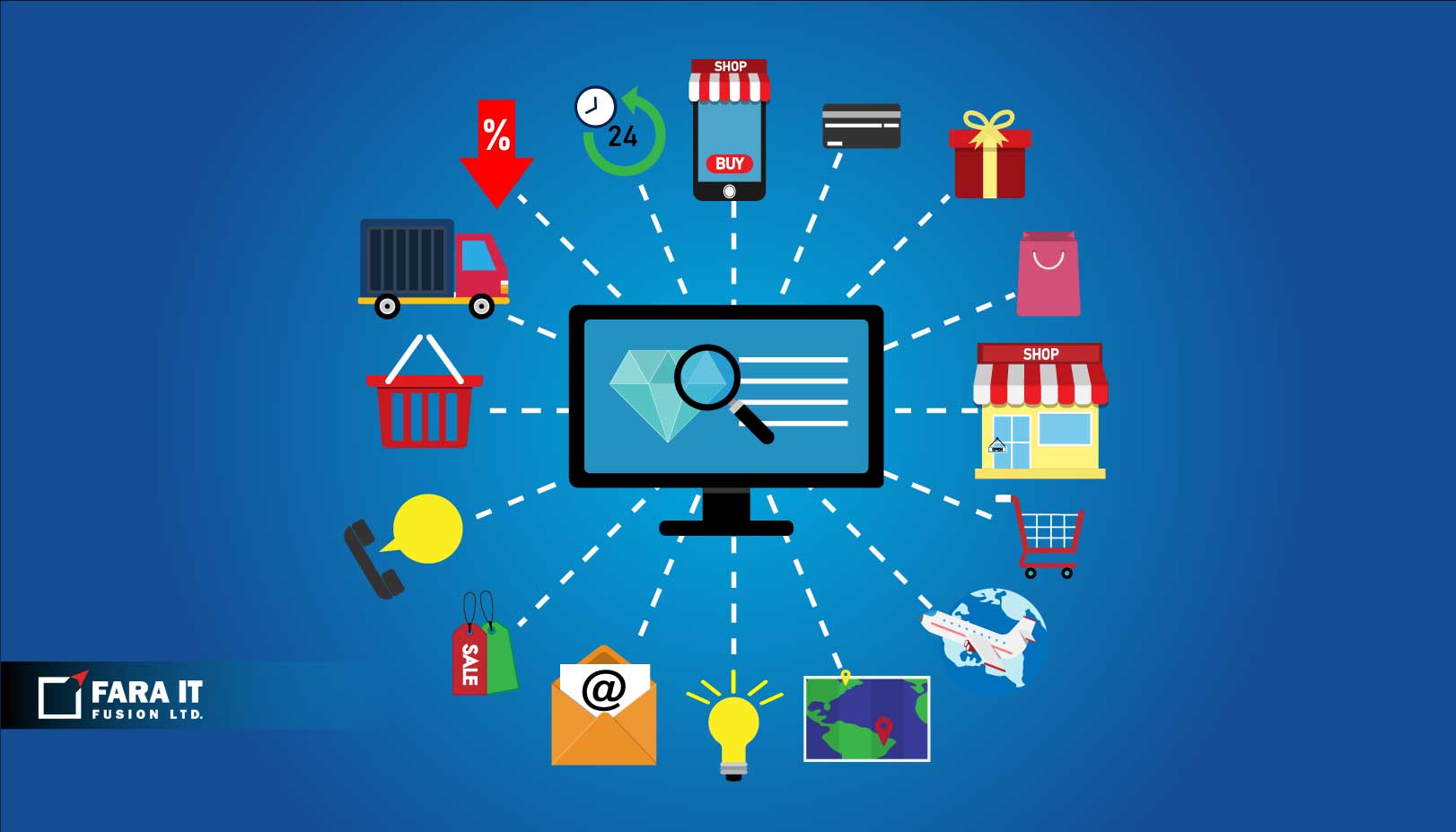
There are several categories of e-commerce, including:
- Business-to-Consumer (B2C): This form of e-commerce involves companies selling goods or services directly to individual consumers. Examples include online retail sites like Amazon and consumer-focused services such as Uber or Airbnb.
- Consumer-to-Consumer (C2C): In this form of e-commerce, individuals trade goods and services with each other via online platforms, such as eBay or Craigslist.
- Business-to-Business (B2B): This form of e-commerce entails businesses selling products or services to other businesses. Examples include wholesale distributors and manufacturers supplying retailers.
- Consumer-to-Business (C2B): This form of e-commerce involves consumers providing goods or services to businesses, such as freelance work offered on platforms like Upwork.
- Mobile commerce (m-commerce): This form of e-commerce involves the buying and selling of goods and services using mobile devices, such as smartphones and tablets.
- Social commerce:This form of online commerce entails utilizing social media platforms for the exchange of goods and services. Instances include shopping via Instagram or purchasing items directly from Facebook advertisements.
- Electronic Data Interchange (EDI):This variety of e-commerce involves the transmission of business documents, including purchase orders and invoices, between organizations in a standardized digital format.
Benefits and Drawbacks of E-Commerce
Advantages of E-Commerce:
- Ease: E-commerce enables consumers to shop from any location, at any moment, and on any device.
- Expanded Reach: E-commerce businesses can access a global audience, allowing them to broaden their customer base.
- Reduced Operating Costs: Managing an online store typically incurs lower overhead expenses compared to a physical retail establishment.
- Customization: E-commerce platforms provide advanced tools for tailoring the shopping experience for customers, including personalized recommendations and product suggestions.
- Data Gathering and Analysis: E-commerce businesses can collect and analyze information regarding consumer behavior and preferences, empowering them to make informed decisions about their offerings and marketing endeavors.
Drawbacks of E-Commerce:
- Security Concerns: E-commerce transactions are susceptible to security breaches, which can jeopardize sensitive customer data.
- Shipping and Delivery Difficulties: Transporting physical goods can be an intricate and expensive process, especially for international deliveries.
- Limited Interaction: E-commerce lacks the direct, in-person interaction characteristic of traditional retail, which can make it challenging for customers to get answers to questions or assistance with products.
- Technical Difficulties: Operating an e-commerce site demands technical expertise, and issues such as website downtime or slow loading speeds can negatively impact the customer experience.
- Competition: The ease of launching an online store has led to heightened competition, making it challenging for new businesses to distinguish themselves and succeed in the saturated e-commerce market.
Principles of E-Commerce Business
Convenience:E-commerce enterprises must offer customers convenient and user-friendly online shopping experiences.
Security:The safeguarding of customer data and financial transactions must be a paramount concern for e-commerce businesses.
Mobile Responsiveness:Given the increasing use of smartphones for online purchasing, e-commerce businesses must ensure their website is mobile-optimized.
Personalization:E-commerce businesses can leverage customer data to customize the shopping experience and provide tailored product recommendations.
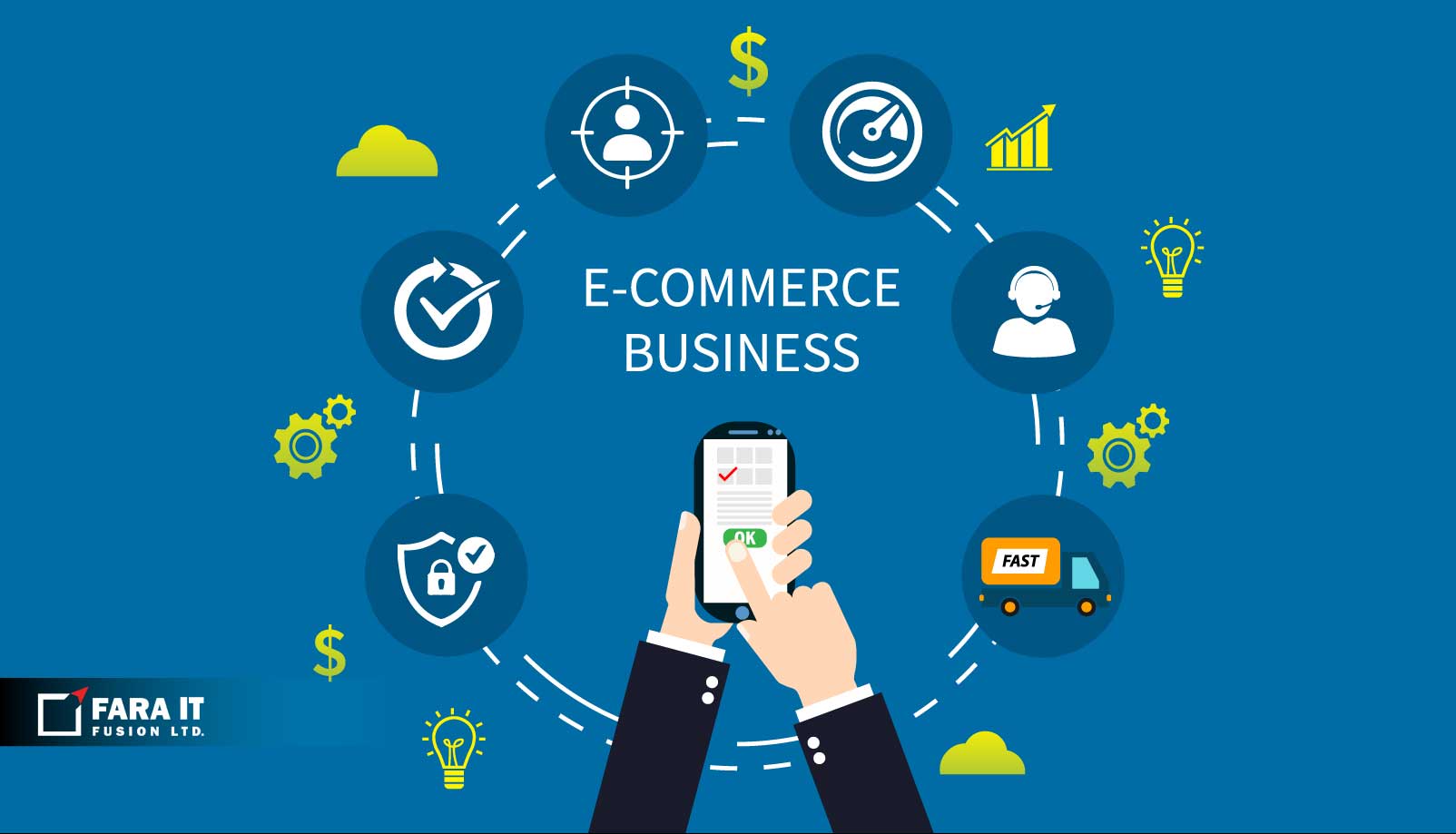
Customer Service:E-commerce businesses must deliver exceptional customer service through various channels, such as email, phone, and live chat.
Speed and efficiency:The checkout process needs to be swift and efficient to minimize shopping cart abandonment and boost sales.
Innovation:E-commerce businesses must continuously innovate and adopt new technologies to remain competitive and deliver the best possible customer experience.
Competitive pricing:E-commerce businesses must offer competitive pricing to draw in and retain customers.
User Experience (UX):A strong user experience (UX) design, featuring clear and intuitive navigation, is vital for a thriving e-commerce business.
Fulfilment and Delivery:E-commerce businesses must possess efficient and dependable fulfillment and delivery processes to meet customer expectations.
Why an Online Presence is Essential for E-Commerce Business
An online presence is essential for an e-commerce business because it provides a platform to sell products or services digitally 24/7. It allows businesses to reach a broader audience and expand their customer base beyond geographical limits.
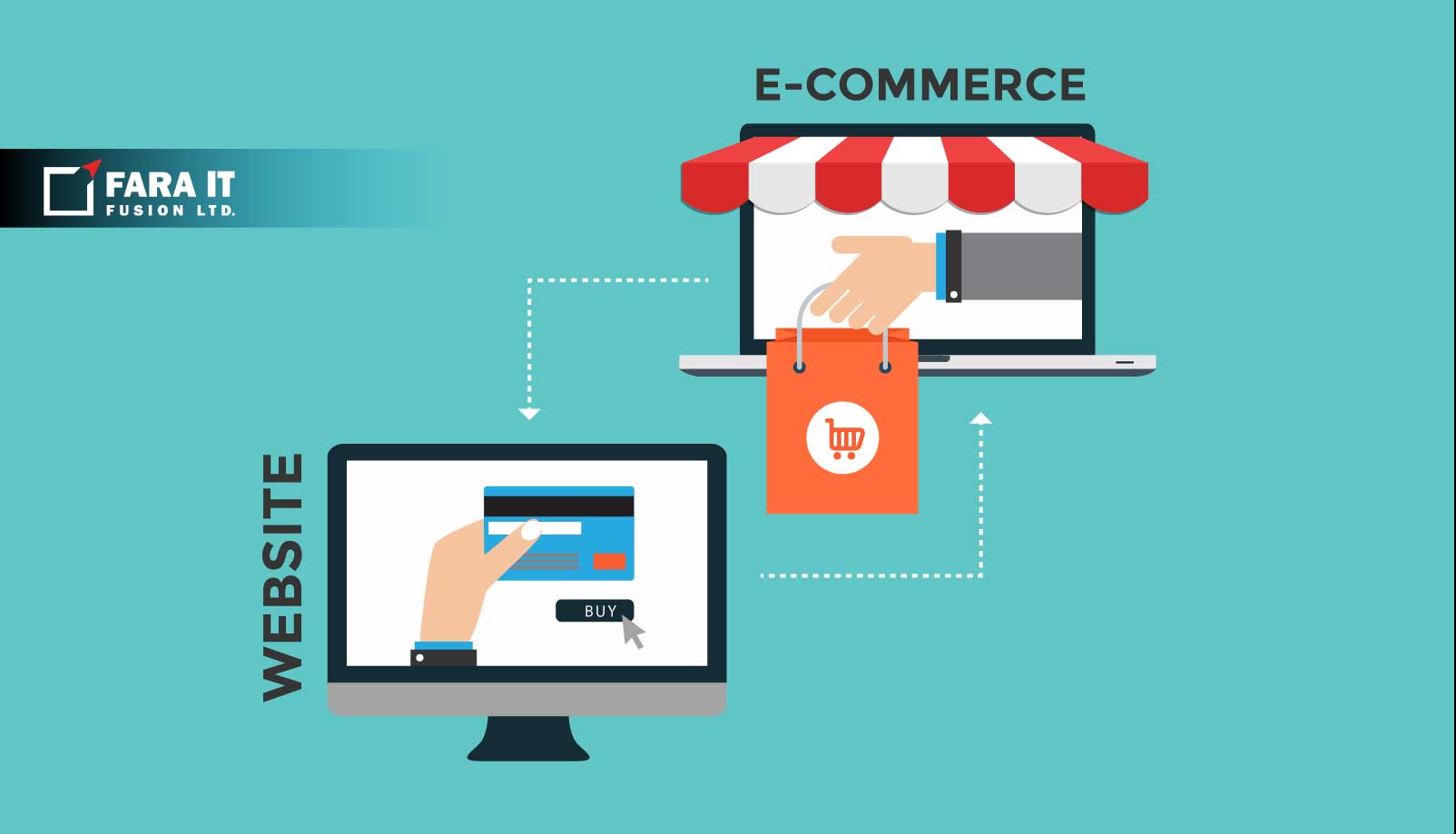
A website also projects a professional image, enhances brand recognition, and enables customers to easily find details about products and services. Furthermore, it streamlines the purchasing process, making it convenient and efficient for customers to buy goods and services, which can lead to increased sales and revenue for the business. In essence, a website is a critical component for establishing an online presence and expanding an e-commerce business.
How to build an e-commerce website?
Creating an e-commerce website can seem like a daunting task, especially if you have limited or no experience in web development. However, with the assistance of the leading web development company or the top software development company, the process can be much smoother. Here are the steps required to establish an e-commerce website:
Step 1. Select Your Content Management System (CMS)
To construct an e-commerce website, the most crucial step is to choose a CMS, such as:
- WordPress: The world’s foremost CMS that is also one of the most adaptable.
- Shopify: An ideal e-commerce solution for establishing a dropshipping business.
- Squarespace: One of the best website builders for novices who wish to effortlessly create a professional website without any prior web design experience.
- Square Online: Best for existing retailers seeking to sell both in-person and online.
- Wix: An all-inclusive website builder that is both simple to use and highly customizable.
All the aforementioned CMS platforms are very popular. Among them, WordPress, Shopify, and Wix are more widely used.
Step 2. Create an account (web hosting)
Once you’ve decided to use a CMS as the initial step, the subsequent step is to create an account – if you opt for WordPress, then your next step is to acquire a web hosting plan. The best web hosting services often include a free domain name, a free SSL certificate, and one-click WordPress installation, removing the need to manually connect your domain and hosting to WordPress.
Step 3. Choose an e-commerce theme or template
Following the second step, select an e-commerce theme or template. Themes are pre-designed layouts that give your website a consistent look and feel, which dictates the front and back end of the site.

Step 4. Personalize Your Site and Develop Web Pages
After you have found the perfect theme or template for your online store, the next stage is to begin customizing it. This is where you will be updating your header and footer, configuring your site’s navigation, and building out pages from your homepage to your refunds and return policy page.
Step 5. Create Product Listings
Crafting product listings is a vital element when building an e-commerce platform. Include top-notch product images, precise titles and descriptions, pricing details, shipping information, and organize your products logically. Regularly update your product listings with fresh information to maintain your website's relevance. Comprehensive product listings can foster customer confidence and boost sales for your enterprise.
Step 6. Payment Gateway
A payment gateway serves as software that establishes a secure link between an e-commerce platform and the payment processor, allowing vendors to process online payments from their clientele. Common features of payment gateways encompass: Acceptance of diverse payment methods (credit/debit cards, e-wallets, net banking, etc.)
Integrate a straightforward transaction system (e.g., bkash) so that consumers or shoppers can effortlessly buy products or services. It's also advisable to incorporate an international payment method (e.g., PayPal).
Stage 7. Evaluate and Launch Your E-Commerce Platform
Testing and deploying your e-commerce site is a crucial phase to confirm its proper operation before going live. Examine all functionalities and links, and make necessary adjustments. Once satisfied, launch your site and begin promoting it to your target demographic. Continuously monitor and enhance your site to deliver the optimal customer experience.
Always keep your e-commerce website current
You need to stay up-to-date if you aim to operate a thriving e-commerce enterprise. This update isn't solely about products or services.
Instead, if any part of your e-commerce website requires an update, endeavor to complete it promptly. This prevents customer attrition. Because, if updates are delayed, buyers lose interest. It is essential for you to be mindful of this aspect.
Finally,
To ensure the provision of quality goods and services at fair prices for the public's benefit and to uphold integrity. God willing, only then can you become a prosperous e-commerce merchant.


Let's build something great together
Talk to our team about your website, software or marketing project.
Contact Us